Learn
Tree Facts
Why hiring a licensed arborist matters — plus interesting facts about trees.
What Is an Arborist?
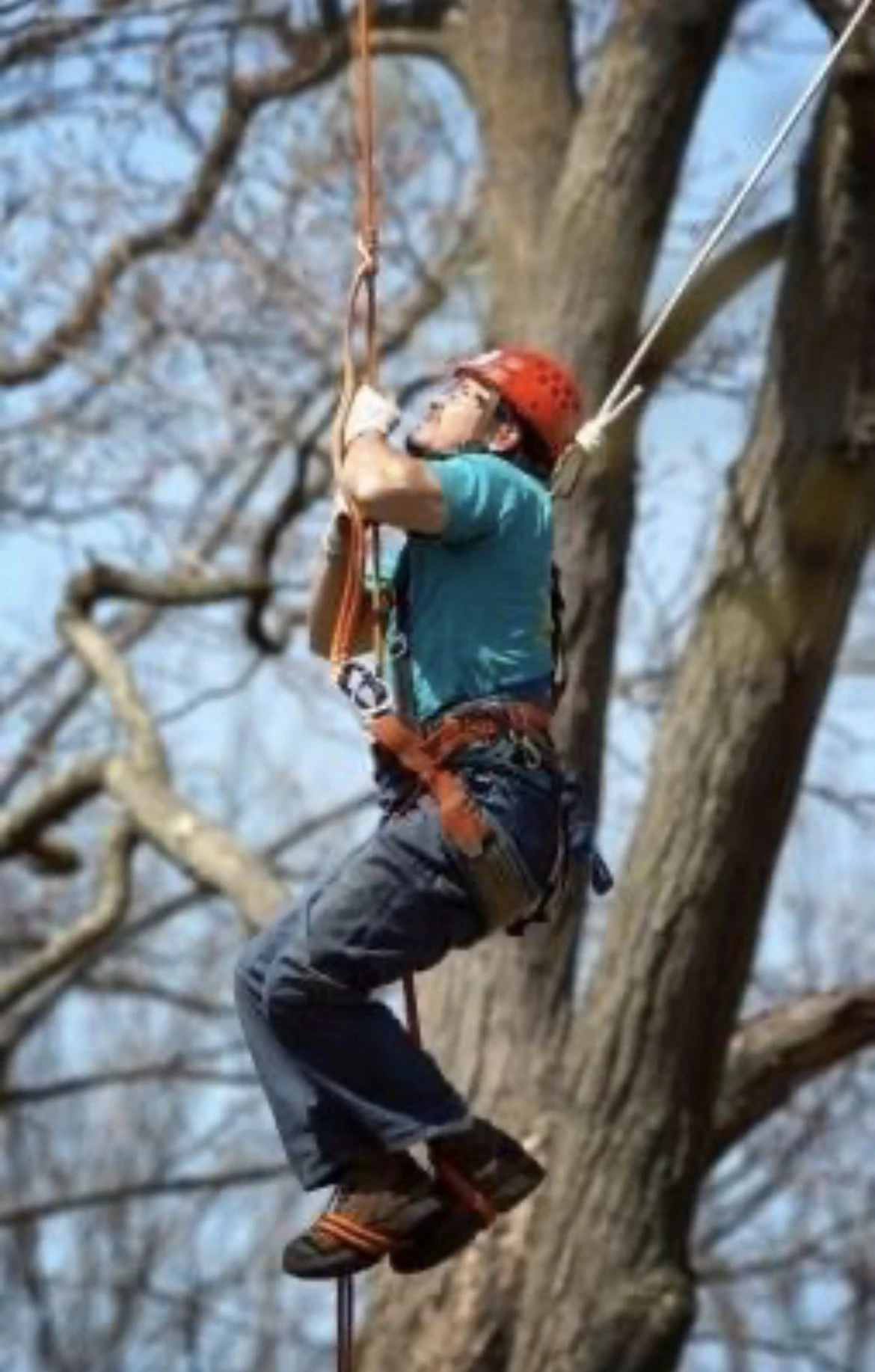
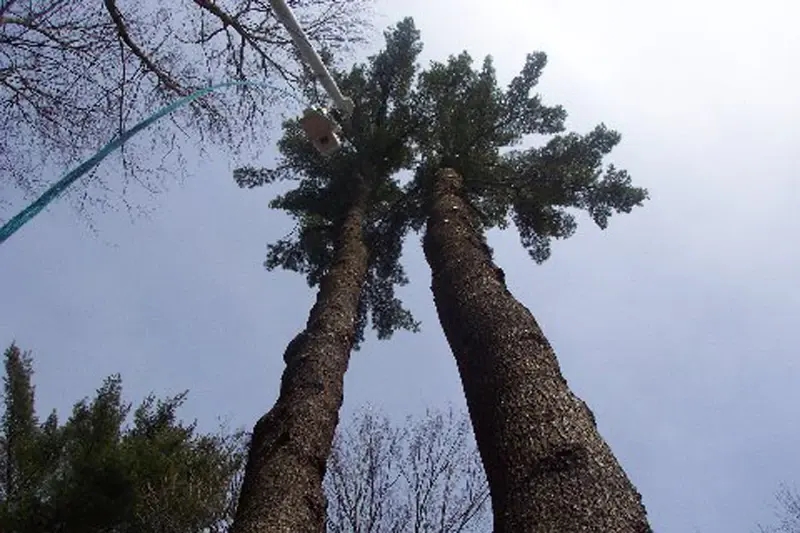
Arborists are tree care professionals who can help with the selection, maintenance, care and removal of trees and shrubs in residential, commercial and public landscapes. They are trained in all aspects of woody plant health and care, including diagnosis and treatment of diseases, insect infestations and environmental problems. They can safely climb up into tall trees to prune limbs, and will cut, chip and remove all of the brush. They can recommend watering, fertilizing, pesticide applications and other cultural programs to help maintain the long-term health and beauty of landscapes. Arborists are licensed by the State of Connecticut, and are required to stay up-to-date with the rapid advances of tree biology, care and treatment.
Please don't hire your "brother-in-law with a chainsaw" or your landscaper that is not a licensed arborist to even prune your trees.
Connecticut Tree Protective Association
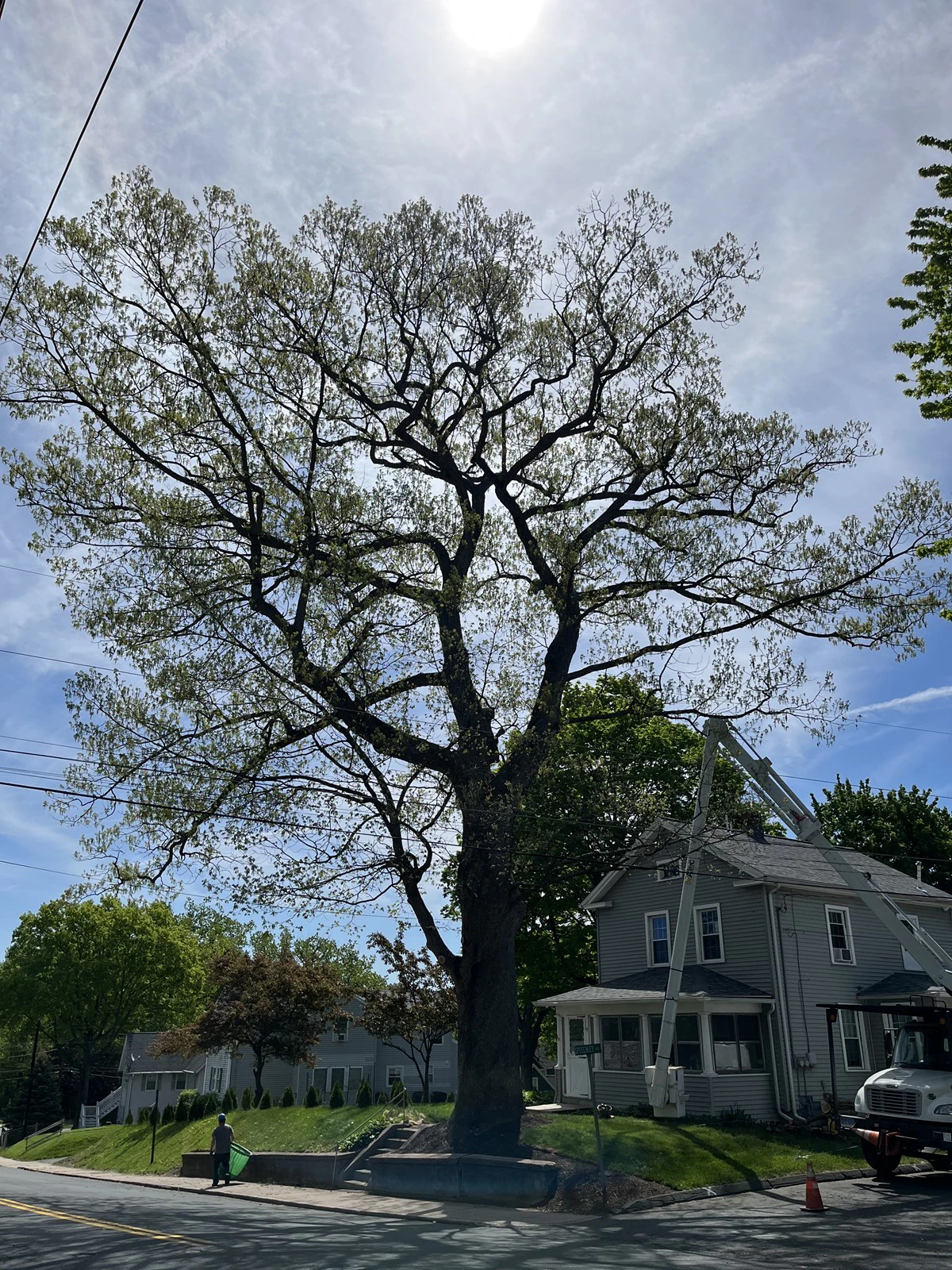
• The CTPA is a non-profit, non-partisan association,
• To promote the protection and care of trees in Connecticut
• To encourage the ongoing improvement of tree care practices among tree workers
Why Hire an Arborist?
- Why Hire an ArboristWe recommend reading a helpful PDF on this topic from the Connecticut Tree Protective Association:
- Press Release - Liability from CTPALearn Why You Should Hire a Licensed Arborist. We recommend reading a helpful PDF on this liability issue from the Connecticut Tree Protective Association:
Some Tree Facts
• The largest tree in the state is a sycamore in Simsbury along the Farmington River
• The acidity of pine needles often prevents growth under coniferous trees
• Connecticut's many aspen trees were once known and sometimes still as Popple
• Black triangles or chevrons, below branches distinguish the gray birch from other birches
• Chestnut and white pine trees dominated Connecticut's forests 350 years ago
• Pitch pine, CT's only three-needle pine, was once called candlewood
• Sugar maple trees are killed at temperatures below -43oF
Courtesy of CT DEP